Greensboro is a green city, but summertime does not constantly work together. Weeks of heat and little rain can turn yards fragile and tension shallow-rooted ornamentals. Community watering constraints get here simply when landscapes require relief. Fortunately is that with a couple of tactical modifications, a backyard in Greensboro can remain attractive, practical, and low-maintenance even in a drought. The Piedmont environment, with its damp summers and variable rainfall, rewards garden enthusiasts who plan for drought while appreciating our clay-heavy soils and winter swings.
What follows originates from years of strolling job sites in Guilford County, watching what endures August and what quits by mid-July. It is not about cacti and gravel alone. It has to do with construct quality, wise planting, and water that goes where it should.
What drought-resilient ways here
Greensboro sits in USDA zones 7b to 8a, depending on microclimates. Rainfall averages 40 to 45 inches a year, however summertime often brings quick rainstorms and long gaps, not constant soaking. Red clay controls, which holds water when filled, then fractures as it dries. That means roots can drown after a storm, then get starved for wetness a week later. The trick is to build a system that buffers these swings.
A drought-resistant landscape in Greensboro need to do a couple of things well. It needs to record and keep rain where plants can utilize it. It should wick excess water away from crown and trunk flare so roots breathe. It ought to stress plant neighborhoods that endure summer dry spell and winter chill. Finally, it needs to cut irrigation requirements by a minimum of 30 to 50 percent compared to a conventional turf-heavy lawn. I have actually seen clients hit even better numbers when they commit to soil prep and mulch.
Start where it matters most: soil
If a professional assures drought-tolerant results without touching the soil, ask hard concerns. Root health turns on oxygen and structure. Clay soils typically need help to hold wetness evenly and release it slowly.
My basic technique for a brand-new bed is basic and repeatable. I shape the location first, producing an extremely mild crown that sheds water away from your home. Then I topdress with 2 to 3 inches of evaluated garden compost, rake it in lightly, and prevent heavy tilling that can destroy existing soil aggregates. In compressed zones near building, a broadfork or air spade can loosen to 8 to 12 inches without inverting the soil profile. For customers who want grass areas converted to beds, we use a sheet mulching method in fall, layering cardboard, compost, and shredded wood mulch. By spring, roots find a softer, microbe-rich layer below.
One counterproductive note. Sand is not a magic repair for clay. Adding coarse sand to clay can produce something like brick. What assists is organic matter, a minimum of 3 to 5 percent by volume near the root zone, which opens pore spaces, moderates water release, and feeds fungi that extend root reach. If you can only do one thing for dry spell resistance, add organic matter and keep adding it each year with topdressing and mulch cycling.
Design that slows, sinks, and spreads out water
On most Greensboro properties, roofing systems and drives shed countless gallons throughout a single storm. If that water races to the street, you lose your least expensive watering source. An excellent landscape gathers from peaks, slows circulation so suspended silt can drop out, and sinks water into planted areas that can utilize it for days.
You do not need a substantial excavation to make a difference. A modest rain garden the size of a compact automobile, set 6 to 12 inches below grade, can catch roof runoff through a level-spreader or a buried downspout pipeline. In the Piedmont, a fertile changed basin drains in 24 to 48 hours, which keeps mosquitos from settling. Usage river rock at inlets to diffuse energy and keep mulch from floating away. For driveways, a narrow strip drain that feeds a vegetated bioswale works much better than letting water sheet across a lawn.
Think of the backyard as a series of micro-watersheds. High spots near the house, mid-slope planting shelves, and lower basins linked by meandering courses that double as spillways. Every change of grade is an opportunity to guide water. If you are dealing with a small lot, a number of 65 to 100 gallon rain barrels connected to the most efficient downspouts will give you a buffer for dry weeks. In a typical summer, a 1,000 square foot roof can shed more than 600 gallons in a one-inch rain. Capture a portion, and your foundation plantings will feel the difference.
Plant combination that earns its keep
Drought-resistant does not imply only native, however natives anchor the combination because they understand our rhythm of heat, humidity, and occasional ice. In practice, the best mix includes Piedmont locals, well-behaved Southeastern choices, and a couple of Mediterranean or meadow types that handle clay and heat.
Trees set the tone and shade soil. I prefer willow oak, Shumard oak, and black gum for larger lots. For smaller sized spaces, consider American hornbeam or fringe tree. I have actually changed more water-hungry silver maples than I can count; they grow rapidly, then demand more than the website can give. Even drought-tolerant trees require water the very first two years, once developed, a well-sited oak can https://archercrwv844.cavandoragh.org/water-wise-landscaping-for-greensboro-nc-conserve-water-stay-green ride out a Greensboro August with no extra irrigation.
Shrubs bring the midstory and give structure. Inkberry holly, oakleaf hydrangea, Virginia sweetspire, and bottlebrush buckeye all deal with dry spells as soon as roots reach depth. For evergreen existence without continuous watering, Southern wax myrtle tolerates heat and sandy pockets, though it appreciates great drainage. Beautyberry is a workhorse on slopes, and bees love it.
Perennials and grasses bring the summer program. Purple coneflower, black-eyed Susan, coreopsis, and mountain mint flourish in amended clay. Baptisia, a deep-rooted bean, makes fun of dry spell as soon as established. For motion and texture, plant little bluestem, prairie dropseed, and switchgrass. These grasses do more than look excellent. Their roots reach feet down, sewing soil and keeping moisture.
Not every imported favorite earns a spot. Lavender battles with humidity and winter season damp unless you crown-plant in gravelly pockets. Russian sage does better, as long as the soil drains. Mediterranean herbs like rosemary carry out in raised stone beds and along warm structures, where heat reflects and water drains away quickly.
If you desire color in July and August without everyday childcare, try a matrix technique. Set one 3rd of the bed with the structural yards, one 3rd with long-blooming perennials, and one third with seasonal fillers like zinnia or salvia in the very first year. As perennials thicken, you can lower the annuals.
The role of turf, lowered however not erased
Greensboro yards are often fescue, which battles summer season stress and requires stable water. I recommend diminishing fescue footprint to where you really require it, then considering hybrid Bermuda or zoysia for bright, high-use areas. Warm-season turf greens up later on in spring but cruises through heat with less watering. The tradeoff is inactivity in winter season, which some customers do not like. It is a style preference. In shaded yards, aim for steppable groundcovers like dwarf mondo or ajuga in pockets, and accept that heavy shade and ideal grass seldom coexist.
If a customer insists on cool-season turf, we set expectations and irrigation rules. Core aerate and topdress with garden compost in fall, overseed with a mix tuned to illness resistance, and raise the mowing height to 3.5 to 4 inches in summer. Taller blades shade roots and reduce evaporation. Water early morning, deep and infrequent, not light day-to-day sprays. That single shift can cut water use by a third.
Mulch that works with the soil, not versus it
Mulch does 3 jobs: suppress weeds, buffer moisture, and insulate roots. It also shapes how the bed handles heavy rain. In Greensboro, a shredded wood mulch knits together and withstands washouts better than bark nuggets. Pine straw is excellent on slopes and under acid-loving shrubs, and it breathes well. Avoid laying mulch versus trunks or stems. Leave a 3 to 6 inch collar so crowns stay dry.
Two to 3 inches of mulch suffices. Thicker layers can shed water and starve roots of oxygen. In rain gardens or swales, use a heavier chip mulch or a leading layer of pea gravel around inlets to keep material from moving. Over time, great mulch breaks down and feeds soil organisms. That sluggish release becomes part of the water cost savings, so top up each year instead of burying plants under a one-time deep load.
Irrigation that is measured, not guessed
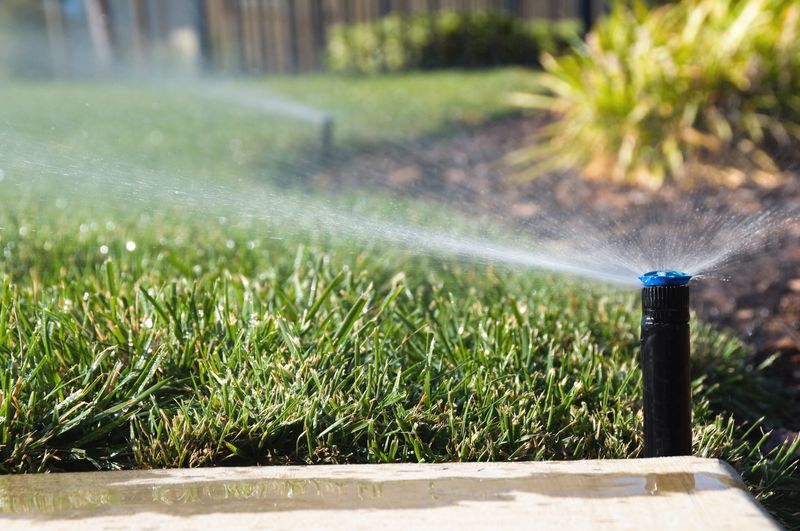
Drought-resistant is not drought-proof. New plantings need a steady establishment duration. We plan for a two-year runway for trees and large shrubs, one growing season for perennials. Drip irrigation on zones different from any turf heads is the simplest, most water-wise system for beds. A half-gallon per hour emitter at each shrub and two near young trees provides water where it matters. For larger beds, in-line drip tubing with 12 to 18 inch spacing under mulch works well in clay if run times are changed downward.
I ask customers to think in inches, not minutes. A lot of Greensboro beds do well with 0.5 to 1 inch of water weekly in the first summertime, divided into 2 deep cycles. After facility, cut that by half in a lot of weeks, and avoid totally after a soaking rain. A $20 rain gauge or a wise controller tied to NOAA information avoids waste. The human practice is the bigger issue. If the leading inch of soil looks dry, people water. In clay, that leading inch can be dry while the six inch depth holds plenty. Utilize a screwdriver test. If it presses in quickly, the root zone is not thirsty.
Smart hardscapes that support plant health
Pathways, patios, and walls can either heat-stress beds or assist them. A full-sun south-facing flagstone patio reflects heat like a skillet. If you want a seating area without baking the nearby perennials, choose lighter pavers, add pergola shade, or expand planted buffer strips. Permeable pavers manage summertime storms much better than conventional concrete, feeding water to adjacent roots and reducing runoff.
Raised planters are popular, however they dry out rapidly. In Greensboro's summer season, a 12 inch deep planter requires daily attention unless you build in wicking tanks or drip. Where clients want raised beds, we target drought-tolerant herbs and grasses, and location thirstier plants in-ground.
Retaining walls should have mindful drain. Backfill with free-draining gravel covered in geotextile, and include a drain outlet. A wall that traps water behind it will weep onto beds listed below then dry out, a swing that compromises roots and wastes water.
Seasonal rhythm, upkeep light and timely
One reason drought-resistant landscaping succeeds is that it streamlines chores into a couple of well-timed moves.
Spring is for evaluation and gentle edits. Cut down ornamental yards, check drip lines for mouse bites or mower nicks, and scratch in compost around heavy feeders like hydrangea. Resist the temptation to fertilize everything. Numerous drought-tolerant plants prefer lean soils. Too much nitrogen swells soft growth that requires more water and invites chewing insects.
Summer is for discipline. Water morning on the schedule, not by emotion. Deadhead perennials that react, like salvia or coneflower, but let some seedheads mean finches. If a plant sulks by mid-July every year, move it or swap it. A landscape that begs for water every hot week is informing you the palette is wrong.
Fall is the Piedmont's finest planting window. Soil is warm, rains are more regular, and roots grow until the ground cools. Planting in October frequently suggests little or no irrigation the next summer. It is likewise the time to top up mulch and cut new beds if you are expanding. For lawns, fall is the window for remodelling, not spring.
Winter is for structural pruning and hardscape work. Install rain barrels, change grades if you saw difficulty spots, and prepare the next round of conversions from turf to bed.
Real-world examples around Greensboro
A little Fisher Park cottage had a postage-stamp fescue yard that baked between sidewalk and street. We replaced it with a curbside bioswale lined with river rock at the inlet. Planting was simple: little bluestem, black-eyed Susan, and a drift of mountain mint. The owner tracked water usage with a city meter. After the modification, summer season outside water come by approximately 60 percent compared to the previous 2 years. The swale flooded two times in heavy storms, then drained within a day. No standing water, no mosquito problems, and the plants thickened without extra watering in year two.
On a bigger lot near Lake Jeanette, a client desired shade, wildlife worth, and less mowing. We cut the grass area in half, included three Shumard oaks, and underplanted with inkberry, beautyberry, and switchgrass. We tied 2 downspouts into a broad rain garden that looks like a wildflower bed. Leak watering ran the very first summer season and then just throughout long dry spells. By year three, the oaks cast afternoon shade over the outdoor patio, cutting heat accumulation. The owner reported that even during the 90-plus degree streak, the bed held color without dragging hoses.
A tight Lindley Park courtyard with brick walls imitated an oven. The solution was not to chase after wetness, however to reduce heat load. We added a cedar trellis, a light-colored permeable patio area, and a narrow planting strip versus the south wall filled with rosemary, dwarf yaupon, and lavender on a raised gravelly mound. The rest of the courtyard went to large planters with sub-irrigation tanks. Watering dropped to when every five to 7 days in midsummer, and the herbs thrived where previous fescue had actually stopped working year after year.
Avoiding the common pitfalls
I see the exact same bad moves throughout jobs in Greensboro.
People plant expensive or too low. Trees must sit with the root flare visible. In clay, I often plant a hair high and plume soil out, not up. Burying the flare results in tension that no quantity of water can fix.
They mulch like they are tucking plants into bed for a blizzard. A deep, compacted mulch layer sheds water and ends up being hydrophobic. Keep it light and restored, not smothering.
They pipeline downspouts to the street. It feels neat, however it starves your beds. Think about detaching to feed a basin if grades allow.
They presume drought-tolerant methods no irrigation ever. Even yucca values a beverage in its first summer season. Budget for a correct establishment schedule.
They neglect microclimates. A plant that flourishes on the east side of a home can crisp on the south wall. Walk your website in July at 3 p.m. and feel the heat radiating off surfaces. That is where the most rugged species belong.
Budgeting and phasing genuine life
Not everyone can overhaul a backyard in one pass. The very best outcomes often come from phasing the work over two to three seasons. Start by transforming the most stressed, highest-visibility area. Add the water management foundation at the same time, like rain barrels or the first rain garden. In year two, diminish turf in other places and extend drip zones. Year 3 is for canopy. Planting trees later is great, however earlier shade speeds all other benefits.
For budgeting, expect rough ballpark varieties in Greensboro for professional work: rain gardens at 10 to 20 dollars per square foot depending upon excavation and soil amendments, drip watering retrofits at 2 to 4 dollars per direct foot of tubing plus controller upgrades, and planting beds at 12 to 25 dollars per square foot including garden compost and mulch. Doing some prep yourself can cut expenses. Focus your dollars on soil and water supply initially, then plants. More affordable plants grow in good soil and sound hydrology; expensive plants stop working in bad conditions.
How regional codes and realities fit in
Greensboro and Guilford County might set watering schedules throughout dry spells. Modern controllers with weather sensing units or Wi‑Fi integration can stop briefly irrigation automatically after rainfall. That not just conserves money, it keeps you compliant. If you path downspouts into the landscape, maintain positive drain away from the structure. Rain barrels need overflow paths that do not send water into crawlspaces. If you remain in an area with an HOA, bring them into the conversation early. Many boards respond well to cool, deliberate designs even if they vary from turf-heavy norms.
Native plantings bring in wildlife. For neighbors who fret about ticks or snakes, keep a tidy edge. A mown or paved border around wilder beds signals objective and makes human space feel comfortable. It also enhances air flow, which minimizes fungal pressure during damp spells.
Selecting a partner for landscaping in Greensboro, NC
If you prepare to hire, try to find landscaping firms with Greensboro clay under their fingernails. Ask to see tasks in July or August, not just spring glamour shots. Great suppliers explain how they develop soil, how they separate grass and bed watering, and how they path stormwater. They should comfortably talk about plant options by microclimate and show examples of decreased water expenses or minimized upkeep after a year.
For house owners who want to deal with parts themselves, a designer can offer a phased strategy and plant list tuned to your site. Do not be shy about requesting for alternates within spending plan bands. The best mix will reflect your taste however anchor around plants that have proven themselves in the Piedmont.
A short field guide to strong performers
Here is a compact referral to plants that have actually revealed staying power in drought-aware landscapes around Greensboro. Mix and match to match sun, shade, and style.
Trees:
- Shumard oak, willow oak, black gum, fringe tree, American hornbeam
Shrubs:
- Inkberry holly, oakleaf hydrangea, Virginia sweetspire, beautyberry, Southern wax myrtle
Perennials and yards:
- Baptisia, purple coneflower, black-eyed Susan, coreopsis, mountain mint, little bluestem, meadow dropseed, switchgrass
Accents and herbs:
- Rosemary, Russian sage, threadleaf bluestar, aromatic aster, dwarf mondo for shaded edges
Remember to customize each to positioning. Hydrangeas choose morning sun and afternoon shade; grasses want the heat.
Putting all of it together
When a Greensboro lawn is established to catch and hold water, when roots find a loose, living soil, and when plant options match the website, dry spell becomes a workable season instead of a crisis. The backyard modifications tone, too. You spend more time seeing birds in the seedheads and less time dragging hose pipes. Mulched beds remain cooler, flagstone does not blister your feet, and the water costs stops raising eyebrows. Clients frequently inform me the yard feels calmer, like it is working with the weather condition rather than against it.
If you are mapping your next steps, begin with water. Where does it originate from, where does it go, and how can you keep more of it around your plants? Next, buy soil, then set up drip where it will pay you back all summer season. Choose a plant palette that has actually shown itself here, not simply in catalog pictures. Diminish lawn to where it serves a genuine purpose. Give the system a full year to settle, then modify with a light hand.
Drought-resistant landscaping in Greensboro, NC is not a style trend. It is a practical response to our climate and soils. Done well, it is likewise beautiful. You get seasonal color, motion in the yards, and structure that executes winter. You also get the quiet complete satisfaction of a landscape that flourishes without continuous rescue, a lawn that meets the season by itself terms. For anybody bought landscaping greensboro nc, that is the standard worth chasing.
Business Name: Ramirez Landscaping & Lighting LLC
Address: Greensboro, NC
Phone: (336) 900-2727
Website: https://www.ramirezlandl.com/
Email: [email protected]
Hours:
Sunday: Closed
Monday: 8:00 AM–5:00 PM
Tuesday: 8:00 AM–5:00 PM
Wednesday: 8:00 AM–5:00 PM
Thursday: 8:00 AM–5:00 PM
Friday: 8:00 AM–5:00 PM
Saturday: 8:00 AM–5:00 PM
Google Maps: https://www.google.com/maps/search/?api=1&query=Google&query_place_id=ChIJ1weFau0bU4gRWAp8MF_OMCQ
Map Embed (iframe):
Social Profiles:
Facebook
Instagram
Major Listings:
Localo Profile
BBB
Angi
HomeAdvisor
BuildZoom
Ramirez Landscaping & Lighting is a Greensboro, North Carolina landscaping company providing design, installation, and ongoing property care for homes and businesses across the Triad.
Ramirez Landscaping & Lighting offers hardscapes like patios, walkways, retaining walls, and outdoor kitchens to create usable outdoor living space in Greensboro NC and nearby communities.
Ramirez Landscaping & Lighting provides irrigation services including sprinkler installation, repairs, and maintenance to support healthier landscapes and improved water efficiency.
Ramirez Landscaping & Lighting specializes in landscape lighting installation and design to improve curb appeal, safety, and nighttime visibility around your property.
Ramirez Landscaping & Lighting serves Greensboro, Oak Ridge, High Point, Brown Summit, Winston Salem, Stokesdale, Summerfield, Jamestown, and Burlington for landscaping projects of many sizes.
Ramirez Landscaping & Lighting can be reached at (336) 900-2727 for estimates and scheduling, and additional details are available via Google Maps.
Ramirez Landscaping & Lighting supports clients with seasonal services like yard cleanups, mulch, sod installation, lawn care, drainage solutions, and artificial turf to keep landscapes looking their best year-round.
Ramirez Landscaping & Lighting is based at 2700 Wildwood Dr, Greensboro, NC 27407-3648 and can be contacted at [email protected] for quotes and questions.
Popular Questions About Ramirez Landscaping & Lighting
What services does Ramirez Landscaping & Lighting provide in Greensboro?
Ramirez Landscaping & Lighting provides landscaping design, installation, and maintenance, plus hardscapes, irrigation services, and landscape lighting for residential and commercial properties in the Greensboro area.
Do you offer free estimates for landscaping projects?
Ramirez Landscaping & Lighting notes that free, no-obligation estimates are available, typically starting with an on-site visit to understand goals, measurements, and scope.
Which Triad areas do you serve besides Greensboro?
Ramirez Landscaping & Lighting serves Greensboro and surrounding Triad communities such as Oak Ridge, High Point, Brown Summit, Winston Salem, Stokesdale, Summerfield, Jamestown, and Burlington.
Can you help with drainage and grading problems in local clay soil?
Yes. Ramirez Landscaping & Lighting highlights solutions that may address common Greensboro-area issues like drainage, compacted soil, and erosion, often pairing grading with landscape and hardscape planning.
Do you install patios, walkways, retaining walls, and other hardscapes?
Ramirez Landscaping & Lighting offers hardscape services that commonly include patios, walkways, retaining walls, steps, and other outdoor living features based on the property’s layout and goals.
Do you handle irrigation installation and repairs?
Ramirez Landscaping & Lighting offers irrigation services that may include sprinkler or drip systems, repairs, and maintenance to help keep landscapes healthier and reduce waste.
What are your business hours?
Ramirez Landscaping & Lighting lists hours as Monday through Saturday from 8:00 AM to 5:00 PM, and closed on Sunday. For holiday or weather-related changes, it’s best to call first.
How do I contact Ramirez Landscaping & Lighting for a quote?
Call (336) 900-2727 or email [email protected]. Website: https://www.ramirezlandl.com/.
Social: Facebook and Instagram.
Ramirez Landscaping & Lighting serves the Greensboro, NC area with professional hardscaping solutions for homes and businesses.
Searching for landscaping in Greensboro, NC, visit Ramirez Landscaping & Lighting near Greensboro Coliseum Complex.